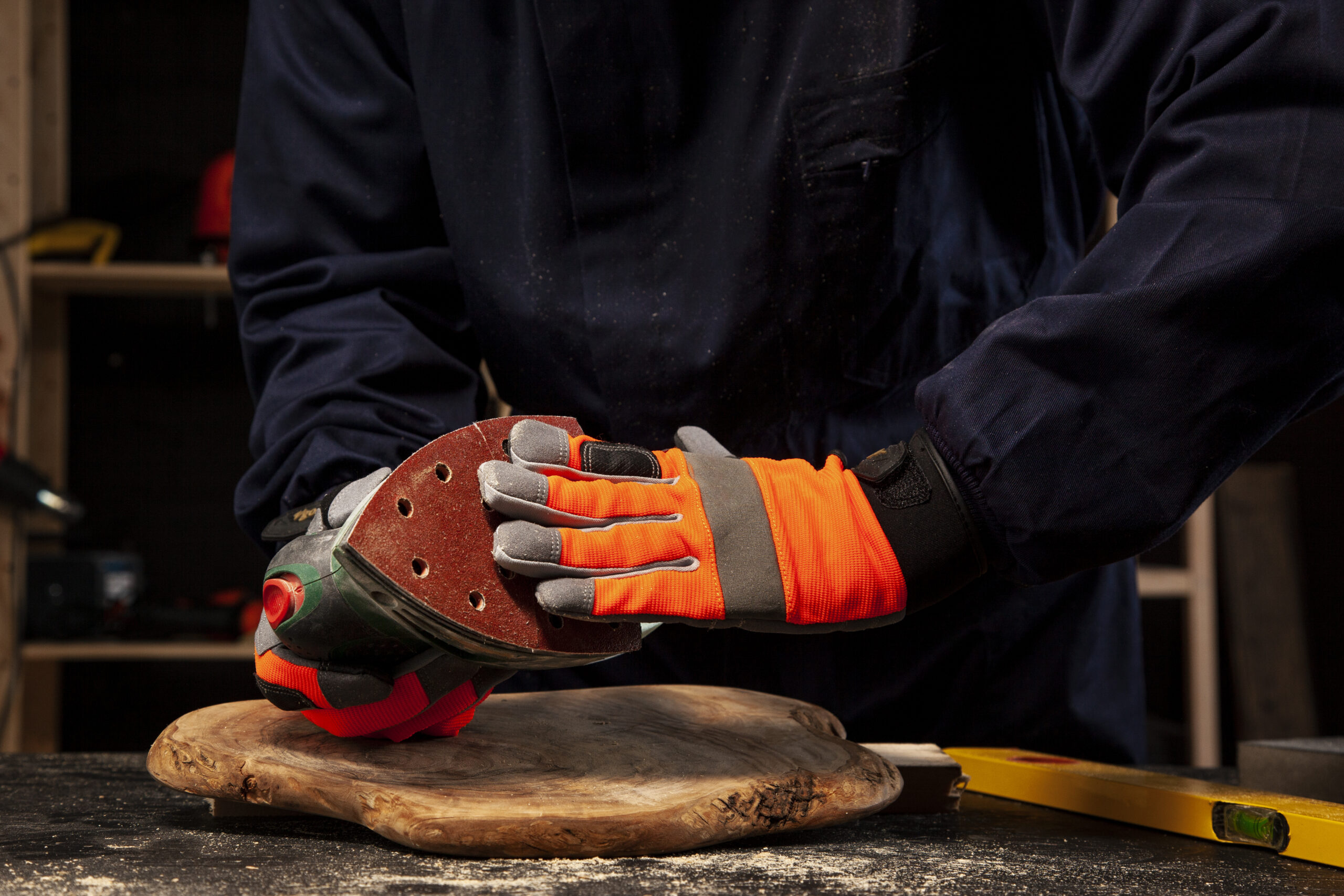
Hand injuries are among the most common injuries on mine, workshop and construction sites — and many happen while the worker is wearing gloves that were never meant for the job. The right glove depends on the hazard, not on what is in the store. Rawleh Enterprises supplies hand protection to mining, construction and manufacturing sites across Zambia from our Kitwe and Lusaka offices.
Match the glove to the hazard
- General handling: leather or coated fabric gloves protect against rough materials, splinters and minor abrasions.
- Cuts: for sheet metal, glass or sharp edges, use gloves rated for cut resistance. Ordinary leather is not cut-resistant.
- Chemicals: use gloves made for the specific chemical — nitrile, neoprene or PVC resist different substances. Check the chemical’s safety data sheet for the right material.
- Electrical work: only insulated gloves rated for the voltage involved, inspected before every use. Never use general work gloves for live electrical work.
- Welding: heavy leather gauntlets that protect against heat, sparks and spatter, long enough to cover the wrist.
- Heat and hot surfaces: heat-resistant gloves for handling hot parts.
Fit matters
Gloves that are too big get caught in machinery and make grip harder; gloves that are too small tear and tire the hands. Stock a range of sizes and let workers choose the one that fits.
When to replace gloves
- Holes, cuts, worn fingertips or split seams
- Stiff, cracked or swollen material — especially chemical gloves
- Contamination that will not wash out
- Any doubt about an electrical glove’s condition
Quick tip for supervisors
Put a simple chart at the store showing which glove is used for which task. It takes the guesswork out of it and makes it easy to spot when the wrong glove is being used.
Quick answers
Are leather work gloves cut-resistant?
No. Leather protects against rough surfaces and abrasion, but cutting tasks need gloves rated for cut resistance.
Can ordinary work gloves be used for electrical work?
No. Live electrical work needs insulated gloves rated for the voltage involved, inspected before every use.
When should work gloves be replaced?
When they have holes, worn fingertips, split seams, cracks, or contamination that will not wash out.
Rawleh supplies work gloves for general handling, cut resistance, chemical protection, electrical work and welding.
More safety tips
- Monthly First Aid Box Checklist for Mines and Workplaces in Zambia
- Monthly Fire Extinguisher Inspection Checklist for Workplaces in Zambia
- Earplugs or Earmuffs? Hearing Protection for Noisy Mine and Industrial Sites
- How to Choose Safety Boots for Mining and Construction — and When to Replace Them
- Fibreglass vs. Rescue Stretchers: Choosing the Right Equipment for Your Site
Leave a Reply